 Panacea Bio Chem — Compound Monograph
Cofactor & Redox Biochemistry
Panacea Bio Chem — Compound Monograph
Cofactor & Redox BiochemistryPrescribing-style reference · Rev. Jul 2026
NAD+ (nicotinamide adenine dinucleotide): the central redox coenzyme, aging, and stable crystalline forms
NAD+ — nicotinamide adenine dinucleotide — is the coenzyme at the centre of cellular metabolism. It ferries electrons between reactions as it cycles between its oxidised form (NAD+) and reduced form (NADH), and it is consumed as a substrate by three families of enzymes — sirtuins, PARPs and CD38 — that govern repair, signalling and aging. Cellular NAD+ falls with age, which has made its precursors — niacin, nicotinamide, nicotinamide riboside (NR) and nicotinamide mononucleotide (NMN) — a busy field of study. NAD+ itself is a chemically fragile molecule: hygroscopic and sensitive to heat, moisture and alkali. This monograph reviews the biology, the decline-with-age story, and why preserving NAD+ as a stable, crystalline solid is a problem worth solving — the sphere Panacea Bio Chem researches.
Keywords: nicotinamide adenine dinucleotide · redox coenzyme · NADH · sirtuins · PARP · CD38 · NAD+ decline & aging · NMN · nicotinamide riboside · niacin · salvage pathway · crystalline / stabilised NAD+ · cofactor preservation.
1. What NAD+ is — in plain language
Every cell runs on a tiny rechargeable shuttle. NAD+ — nicotinamide adenine dinucleotide1 — is that shuttle. Picture a molecular bucket that grabs two high-energy electrons from the food you digest and carries them to the mitochondria, where their energy is cashed in to build ATP, the cell's usable currency. When the bucket is empty it is called NAD+ (oxidised); when it is loaded with electrons it is called NADH (reduced). The cell flips it back and forth billions of times a second2. Without this cycle, glycolysis and the citric-acid cycle stall and energy production stops.
The molecule itself is two nucleotides joined tail-to-tail: one built around nicotinamide (a form of vitamin B3), the other around adenine — the same base found in DNA and in ATP — bridged by two ribose sugars and a pyrophosphate. It is that nicotinamide ring that actually accepts and releases the electrons; the rest of the molecule is the handle the enzymes grip.
2. More than energy — a currency the cell spends
For decades NAD+ was taught as a pure redox carrier — pass the electrons, never get used up. That picture is only half the story. NAD+ is also a consumable substrate: several enzyme families break the molecule to do their jobs, so it must be constantly rebuilt.
- Sirtuins3 — a family of "longevity" enzymes that strip acetyl and other groups off proteins, tuning metabolism, stress resistance and gene silencing. Each reaction cleaves one NAD+.
- PARPs (poly-ADP-ribose polymerases) — first responders to DNA damage. They build long chains from NAD+ to flag and repair breaks, drawing heavily on the pool during genotoxic stress.
- CD38 and related NADases — immune and signalling enzymes that consume NAD+ to make calcium-mobilising messengers. CD38 rises with age and inflammation and is a leading suspect in the NAD+ decline.
Because these enzymes spend NAD+ rather than merely borrow it, the cell's NAD+ level is a real-time readout of the balance between making it and burning it — a balance that tilts with age.
3. The decline-with-age story
Across worms, mice and human tissues, measured NAD+ tends to fall as the organism grows older4 — reported drops on the order of roughly half between youth and old age in several tissues, though exact figures vary with method and site. The favoured explanation is not that the cell forgets how to make NAD+, but that consumption outpaces supply: chronic inflammation and accumulating DNA damage keep CD38 and PARPs busy, draining the pool faster than the salvage pathway refills it. Lower NAD+ is associated with flagging mitochondrial function, and restoring it in aged mice has improved several markers in the laboratory — but whether that translates to people is still an open, actively studied question, not a settled one.
| Aspect | Role in the cell | Why it matters |
|---|---|---|
| NAD+ / NADH redox | Electron shuttle for glycolysis, the citric-acid cycle and oxidative phosphorylation | Energy (ATP) production |
| Sirtuins | NAD+-dependent deacylases tuning metabolism & stress response | Linked to healthspan signalling |
| PARPs | Consume NAD+ to tag & repair DNA breaks | Genome maintenance |
| CD38 / NADases | Consume NAD+ for calcium-signalling messengers | Rises with age — drains the pool |
4. Refilling the pool — NMN, NR and niacin
The cell rarely builds NAD+ from scratch. It mostly recycles it through a short loop called the salvage pathway, clipping the used nicotinamide off spent NAD+ and stitching it back onto a fresh sugar-phosphate. Feed that loop the right building blocks and you raise the supply. Those building blocks are the precursors, all members or relatives of vitamin B3:
- Niacin (nicotinic acid) and nicotinamide — the classic dietary B3 vitamers; a severe lack causes the deficiency disease pellagra.
- Nicotinamide riboside (NR) — nicotinamide already attached to its ribose sugar, one step further down the salvage loop.
- Nicotinamide mononucleotide (NMN) — one phosphorylation short of NAD+ itself, and the precursor most studied as an NAD+ "booster".
Raising NAD+ by supplying these precursors is an intense research frontier, but the honest state of play is unsettled: precursors reliably raise blood and tissue NAD+ markers, yet clinical outcomes in humans remain under investigation. Nothing here is medical advice.
NMN vs NR vs intact NAD+ — the honest comparison
The most-asked precursor question has a shorter answer than the vendor layer suggests: no qualifying head-to-head human trial comparing NMN with NR was identified in our searches (PubMed and ClinicalTrials.gov, 5 September 2026). What the published record does show, precursor by precursor:
| Precursor | What it is | Published human evidence | Listed trials* |
|---|---|---|---|
| NMN (nicotinamide mononucleotide) | One phosphorylation step short of NAD+ itself | Oral NMN was tolerated in healthy men and shifted nicotinamide metabolites (Irie 2020, Endocr J); long-term NMN mitigated age-associated physiological decline in mice (Mills 2016, Cell Metab) | 50 |
| NR (nicotinamide riboside) | Nicotinamide already attached to its ribose sugar, one step into the salvage loop | Chronic NR elevated NAD+ in healthy middle-aged and older adults and was well tolerated (Martens 2018, Nat Commun); NR with pterostilbene raised NAD+ dose-dependently (Dellinger 2017, NPJ Aging Mech Dis) | 128 |
| Intact NAD+ | The coenzyme itself | No human outcome advantage over the precursors has been established for any NAD+-boosting approach; the in-vivo evidence and its open questions are reviewed in Rajman 2018, Cell Metab. Its challenge — the subject of section 5 — is chemical, not biological | — |
* Studies listed on ClinicalTrials.gov for the unquoted term, searched 5 September 2026 — registry scale, not evidence of benefit. Raising an NAD+ biomarker and improving a human outcome are different claims: the first is documented for both precursors, the second remains under investigation.
5. The frontier — restoring NAD+, and keeping the molecule intact
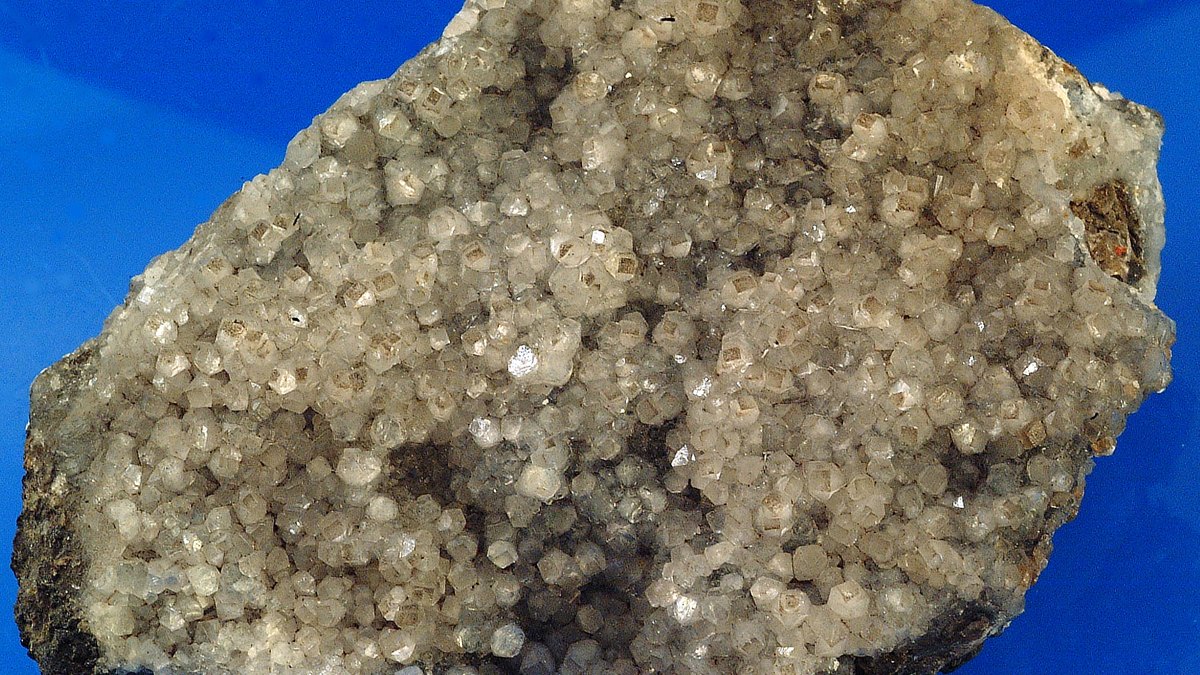
Two frontiers run side by side. The first is biological: can lifting NAD+ back toward youthful levels meaningfully slow features of aging? The second is chemical, and quieter — NAD+ is a fragile molecule to handle at all. Free NAD+ is hygroscopic (it pulls water from the air), and it is sensitive to heat, moisture and alkaline conditions; in solution it hydrolyses and loses activity, and poorly stored material darkens and drops in potency. A cofactor that degrades between the bottle and the cell is a cofactor you cannot dose accurately.
How to store NAD+ — and why it degrades
The chemistry has a single weak point: the pyrophosphate bridge joining the molecule's two nucleotide halves. Hydrolysing that bond requires water — which is why moisture, heat and alkaline conditions are the three enemies of the shelf. The practical figures documented for the reagent come from the product-information sheet for β-NAD (Sigma-Aldrich catalogue N8285) — a vendor handling document, cited as such:
| Form / condition | Documented guidance |
|---|---|
| Dry powder | Very hygroscopic — store desiccated, container tightly closed |
| Solutions | Keep between pH 2 and 6; for longer holding, single-use aliquots at −70 °C (about 6 months) |
| Conditions to avoid | Alkaline media; phosphate, maleate and carbonate buffers accelerate breakdown |
Crystalline vs amorphous vs solution — why the solid state decides
Because water is the reagent of degradation, how much water a form admits is the stability question. A solution is the worst case — the molecule sits dissolved in its own reactant. A damp amorphous powder is disordered, drinks moisture from the air and offers no structural protection. A dry, well-ordered crystalline lattice excludes water, holds each molecule in place and keeps water activity low — removing the reagent rather than fighting the reaction. The mechanism is grounded in the chemistry and consistent with the vendor handling data above. In the spirit of full disclosure: no public quantitative dataset comparing crystalline with amorphous NAD+ stability was identified in our searches (5 September 2026) — the case is mechanistic, and the open measurement question is exactly the one preservation research exists to answer.
6. Panacea Bio Chem's angle
Panacea Bio Chem researches this sphere: the preservation of fragile, oxidation- and moisture-sensitive biomolecules and cofactors so their integrity survives the journey from synthesis to point of use. NAD+ sits squarely in that focus — a small, high-value, chemically delicate molecule whose usefulness depends entirely on it reaching the cell unchanged. The work treats stabilisation not as an afterthought but as the core object: excluding water and oxygen, holding molecules in ordered solid matrices, and drying without the heat or mechanical shock that quietly degrades sensitive material.
That craft is shared across Panacea's preservation network — the gentle, surfactant-free drying of Cryolapse™, freeze-drying the way nature would →; the glass-matrix stabilisation of TgShift™, which lifts the collapse temperature →; and — most relevant to an oxidation-sensitive cofactor like NAD+ — the metal- and oxygen-isolating approach of RedoxVault™, isolating a molecule from the redox threat →. The exact crystallisation route, parameters and hardware that make a Panacea-grade stable NAD+ repeatable remain proprietary to Panacea Bio Chem and are held by Bogdan Dicoias — the outline is here; the recipe stays behind the door.
7. A story: the "cozymase" of 1906
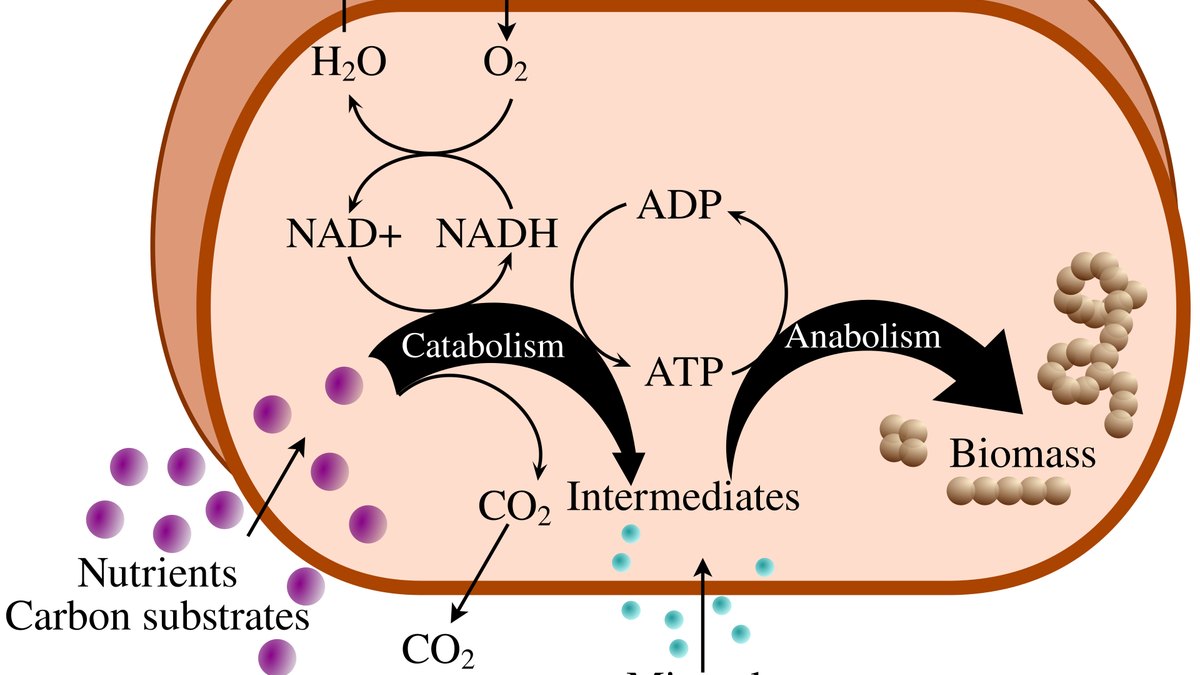
The molecule was found long before anyone knew what it was. In 1906, studying how yeast juice ferments sugar, the English biochemists Arthur Harden and William Young noticed that fermentation needed two things: a heat-sensitive part they called zymase (the enzymes) and a small, heat-stable partner that passed through a dialysis membrane. Boil the juice and add the small factor back, and fermentation resumed. They named this mysterious helper "cozymase"5 — the co-ferment. It took another thirty years for Hans von Euler-Chelpin, Otto Warburg and others to reveal that cozymase was NAD+, and to work out that its nicotinamide ring is the business end that carries the electrons — work that ran through several Nobel Prizes. Harden shared the 1929 Nobel for it. A century on, the "co-ferment" that survived a boil is understood as one of the most consequential small molecules in biology — and, ironically, one whose long-term stability outside the test tube still demands careful handling.
8. Where NAD+ matters most — application fields
Reasoning about where a stable, well-characterised NAD+ (and its precursors) could matter most:
The common thread is the same one that runs through this monograph: the value of NAD+ is only ever realised if the molecule stays intact. Whether the setting is a longevity trial, a mitochondrial-disease study or simply a well-behaved laboratory reagent, an NAD+ that has quietly degraded is worse than useless — it is misleading. Getting the preservation right is where the biochemistry earns its keep.
Frequently asked
What is NAD+ (nicotinamide adenine dinucleotide)?
NAD+ is a coenzyme
in every living cell — the central carrier of electrons in metabolism. It cycles
between an oxidised form (NAD+) and a reduced form (NADH) to move the energy of
food toward ATP, and it is also spent as a substrate by sirtuins, PARPs and CD38,
which is why its level matters to aging and repair.
Why does NAD+ decline with age?
Measured NAD+ falls in many tissues
with age. The leading view is that NAD+-consuming enzymes (CD38, PARPs) grow more
active with inflammation and DNA damage while salvage supply does not keep pace —
so consumption outruns synthesis. It tracks with reduced mitochondrial function,
but causation in humans is still being studied.
What are NMN, NR and niacin?
They are precursors the body turns into
NAD+. Niacin and nicotinamide are the classic vitamin B3 forms; nicotinamide
riboside (NR) and nicotinamide mononucleotide (NMN) are salvage-pathway
intermediates studied as NAD+ boosters. All feed the same recycling loop.
Why is stable or crystalline NAD+ worth solving?
NAD+ is hygroscopic
and sensitive to heat, moisture and alkali, degrading in solution and losing
potency if stored poorly. Preserving it as a dry, stable, crystalline solid
protects the intact molecule so the dose that is measured is the dose that reaches
the cell — the preservation problem Panacea Bio Chem researches.
How should NAD+ be stored?
Keep the powder dry: NAD+ is very
hygroscopic, so store it desiccated and tightly closed. Solutions belong between
pH 2 and 6, held for longer periods as single-use aliquots at −70 °C;
alkaline conditions and phosphate, maleate or carbonate buffers accelerate
breakdown at the pyrophosphate bond. A dry crystalline solid — water excluded
from the lattice — is the form that best protects the intact molecule.
Trending in the field
Recent developments in the field — refreshed 2026-10-11 by Panacea Bio Chem.
- Combined pharmacological targeting of NAD(+) metabolism preserves central and peripheral axons in an ex vivo model of Wallerian degeneration — PubMed, 2026 Oct 9
- Astragalin From Camellia sinensis Flowers Increases Collagen Content Alongside Autophagy-Related Mitochondrial Metabolic Changes in Caenorhabditis elegans — PubMed, 2026 Oct
- Purine availability determines survival of complex I-deficient fibroblasts under OXPHOS-reliant condition — PubMed, 2026 Oct 8
- Restoring NAD(+) pathways in brain aging and neurodegenerative diseases: roles of vitamin B3 metabolites, gut microbiota, and exercise in cognitive health — PubMed, 2026
References & further reading
- Nicotinamide adenine dinucleotide (NAD). Wikipedia.
- NAD+ metabolism and its roles in cellular processes during ageing. PubMed — Nat Rev Mol Cell Biol (2021).
- Sirtuin — NAD+-dependent deacylase enzymes. Wikipedia.
- NAD+ in aging: molecular mechanisms and translational implications. PubMed — Trends Mol Med (2017).
- Arthur Harden — fermentation, "cozymase" and the 1929 Nobel Prize. Wikipedia.
- Nicotinamide mononucleotide (NMN). Wikipedia.




